Acerca del libro

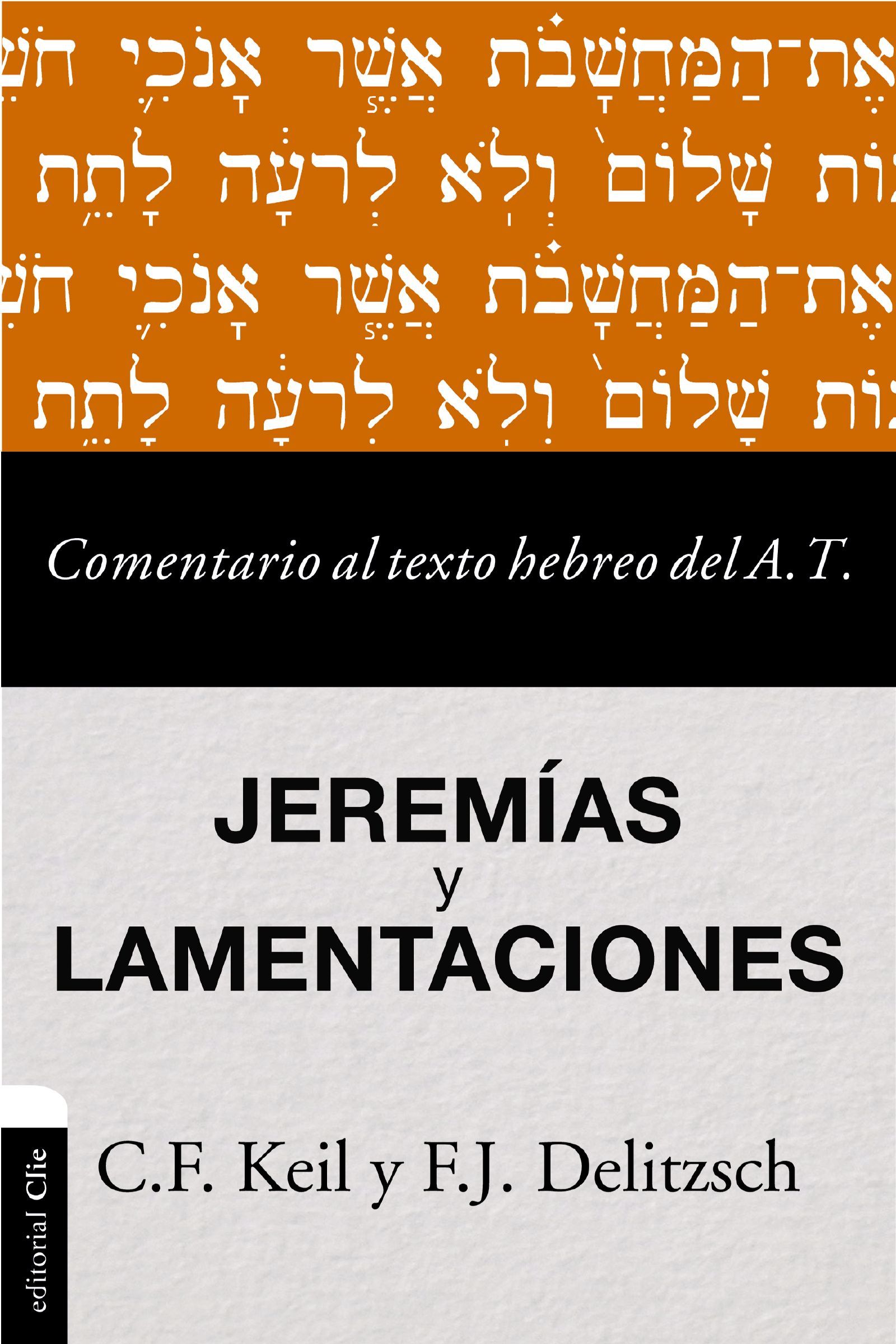
Jeremías y Lamentaciones, comentario al texto Hebreo del Antiguo Testamento por C.F. Keil y F.J. Delitzch es una obra monumental de Keil y Delitzsch que ha sido la referencia estándar de oro en el Antiguo Testamento durante más de 150 años. El texto de Jeremías, un impresionante libro de historia es un tesoro profético de revelación. Éste recoge su vida y vocación, y sus oráculos y memorias autobiográficas que se comentan y amplían en este libro. Contiene además de las palabras del mismo profeta, aportaciones muy valiosas para el entendimiento de la historia y el texto. Incluye:

  • Amplia introducción al texto para mejor entendimiento de los tiempos de Jeremías.
  • Textos recomendados para profundizar más en el tema.
  • Lamentaciones y profecías.
  • Memorias autobiográficas.
  • Fidelidad a la veritas hebraica.
  • Agudeza filológica, su claridad y coherencia.
  • Comentario histórico-teológico de Keil.
  • Traducción y adaptación ( Xavier Pikaza).

Commentary on the Hebrew Text of the Old Testament – Jeremiah and Lamentations

Commentary on the Hebrew Text of the Old Testament- Jeremiah and Lamentations by C.F. Keil and F.J. Delitzch is a monumental work by Keil and Delitzsch that has been the gold reference in the Old Testament for over 150 years. The text of Jeremiah, an impressive history book, is a prophetic treasure of revelation. It collects his life and vocation, and his oracles and autobiographical memoirs that are discussed and expanded in this book. In addition, besides the words of the prophet himself, it includes valuable contributions that help understand the story and the text. It includes:

  • Extensive introduction to the text for a better understanding of the times of Jeremiah.
  • Recommended texts to go deeper into the subject.
  • Lamentations and prophecies.
  • Autobiographical memories.
  • Fidelity to the Hebraic veritas.
  • Philological acuity, its clarity and coherence.
  • Keil’s historical-theological commentary.
  • Translation and adaptation (Xavier Pikaza).
ISBN: 9788416845521
Imprint: CLIE
En venta: Oct 22, 2019
List price: $39.99
No of pages: 848
Trim Size: 6.000 in (w) x 9.000 in (h) x 1.760 in (d)
BISAC 1: RELIGION / Biblical Commentary / Old Testament / General
BISAC 2: RELIGION / Biblical Studies / General
BISAC 3: RELIGION / Biblical Criticism & Interpretation / Old Testament

Carl Friedrich Keil

Biography

CARL FRIEDRICH KEIL was a Lutheran writer born in Lauterbach, Saxony, (Germany). He studied theology at the universities of Dorpat and Berlin. In 1833, he accepted the chair of Oriental Languages and Exegesis of the Old and New Testaments in Dorpat. In 1859, he moved to Leipzig, where he devoted himself to study and the internal affairs of his Church. He belonged to the orthodox and conservative school of Lutheran theology, and contributing with Hengstenberg, giving shape to Lutheran pastoral thought in the Baltic provinces for a quarter of a century. He opposed the biblical criticism of the time, defending the infallibility of biblical literature as the inspired Word of God.

He collaborated with Franz Delitzsch in the well-known Biblischer Commentar über das Alte Testament (1861-1875), a commentary on the Hebrew text of the Old Testament. He wrote commentaries of Genesis to Esther, Jeremiah, Ezekiel, Daniel, and the minor Prophets. He also wrote commentaries on the books of Maccabees, Matthew, Mark, Luke, John, the letters of Peter, Jude, and Hebrews. His commentary on Genesis is considered one of the best existing in all languages. He defends the authorship of Moses but he also recognizes a revision done during the post-exile period. His commentary on the minor Prophets is also praised for the light he had shed on them.

Franz Julius Delitzsch

Biography

FRANZ JULIUS DELITZSCH, a biblical scholar, descendant of a family of Jewish and Lutheran-Pietist origin, was born in Leipzig (Germany). He taught in Rostock (1846-50) and Erlangen (1850-67), before returning to Leipzig for the rest of his life (1867-90).

He wrote many works on rabbinical studies, opposed to anti-Semitism, although without stopping seeking the Christian conversion of the Jews. He founded a Jewish Institute in Leipzig, which bears his name.

He carefully examined Wellhausen’s critical theories and cautiously supported the different literary origins of the Pentateuch and Isaiah’s double literary fatherhood. Of great influence in the English-speaking world, he is mainly remembered as an exegete. He is considered one of the main exegetes of the Old Testament in the 19th century and a great connoisseur of rabbinic literature. He had the ability to unite theological interpretation with philological rigor. His main literary contributions to biblical exegesis are numerous comments to the books of the Bible, although he wrote other important works on Jewish antiquities and on biblical psychology, history of Jewish poetry, and Christian apologetics. One of his most appreciated works in biblical exegesis is his commentary on Psalms, Die Psalmen, 1894.

Delitzsch collaborated with Carld Fredrich Keil in the writing of the Biblischer Comment über das Alte Testament, a commentary on the Hebrew text of the Old Testament in the part of the commentaries corresponding to Job, Psalms, Proverbs, Ecclesiastes, Song of Songs, and Isaiah.

Xabier Pikaza

Jeremías y Lamentaciones, comentario al texto Hebreo del Antiguo Testamento por C.F. Keil y F.J. Delitzch es una obra monumental de Keil y Delitzsch que ha sido la referencia estándar de oro en el Antiguo Testamento durante más de 150 años. El texto de Jeremías, un impresionante libro de historia es un tesoro profético de revelación. Éste recoge su vida y vocación, y sus oráculos y memorias autobiográficas que se comentan y amplían en este libro. Contiene además de las palabras del mismo profeta, aportaciones muy valiosas para el entendimiento de la historia y el texto. Incluye:

  • Amplia introducción al texto para mejor entendimiento de los tiempos de Jeremías.
  • Textos recomendados para profundizar más en el tema.
  • Lamentaciones y profecías.
  • Memorias autobiográficas.
  • Fidelidad a la veritas hebraica.
  • Agudeza filológica, su claridad y coherencia.
  • Comentario histórico-teológico de Keil.
  • Traducción y adaptación ( Xavier Pikaza).

Commentary on the Hebrew Text of the Old Testament – Jeremiah and Lamentations

Commentary on the Hebrew Text of the Old Testament- Jeremiah and Lamentations by C.F. Keil and F.J. Delitzch is a monumental work by Keil and Delitzsch that has been the gold reference in the Old Testament for over 150 years. The text of Jeremiah, an impressive history book, is a prophetic treasure of revelation. It collects his life and vocation, and his oracles and autobiographical memoirs that are discussed and expanded in this book. In addition, besides the words of the prophet himself, it includes valuable contributions that help understand the story and the text. It includes:

  • Extensive introduction to the text for a better understanding of the times of Jeremiah.
  • Recommended texts to go deeper into the subject.
  • Lamentations and prophecies.
  • Autobiographical memories.
  • Fidelity to the Hebraic veritas.
  • Philological acuity, its clarity and coherence.
  • Keil’s historical-theological commentary.
  • Translation and adaptation (Xavier Pikaza).

ISBN: 9788416845521
Imprint: CLIE
En venta: Oct 22, 2019
List price: $39.99
No of pages: 848
Trim Size: 6.000 in (w) x 9.000 in (h) x 1.760 in (d)
BISAC 1: RELIGION / Biblical Commentary / Old Testament / General
BISAC 2: RELIGION / Biblical Studies / General
BISAC 3: RELIGION / Biblical Criticism & Interpretation / Old Testament

Carl Friedrich Keil

Biography

CARL FRIEDRICH KEIL was a Lutheran writer born in Lauterbach, Saxony, (Germany). He studied theology at the universities of Dorpat and Berlin. In 1833, he accepted the chair of Oriental Languages and Exegesis of the Old and New Testaments in Dorpat. In 1859, he moved to Leipzig, where he devoted himself to study and the internal affairs of his Church. He belonged to the orthodox and conservative school of Lutheran theology, and contributing with Hengstenberg, giving shape to Lutheran pastoral thought in the Baltic provinces for a quarter of a century. He opposed the biblical criticism of the time, defending the infallibility of biblical literature as the inspired Word of God.

He collaborated with Franz Delitzsch in the well-known Biblischer Commentar über das Alte Testament (1861-1875), a commentary on the Hebrew text of the Old Testament. He wrote commentaries of Genesis to Esther, Jeremiah, Ezekiel, Daniel, and the minor Prophets. He also wrote commentaries on the books of Maccabees, Matthew, Mark, Luke, John, the letters of Peter, Jude, and Hebrews. His commentary on Genesis is considered one of the best existing in all languages. He defends the authorship of Moses but he also recognizes a revision done during the post-exile period. His commentary on the minor Prophets is also praised for the light he had shed on them.

Franz Julius Delitzsch

Biography

FRANZ JULIUS DELITZSCH, a biblical scholar, descendant of a family of Jewish and Lutheran-Pietist origin, was born in Leipzig (Germany). He taught in Rostock (1846-50) and Erlangen (1850-67), before returning to Leipzig for the rest of his life (1867-90).

He wrote many works on rabbinical studies, opposed to anti-Semitism, although without stopping seeking the Christian conversion of the Jews. He founded a Jewish Institute in Leipzig, which bears his name.

He carefully examined Wellhausen’s critical theories and cautiously supported the different literary origins of the Pentateuch and Isaiah’s double literary fatherhood. Of great influence in the English-speaking world, he is mainly remembered as an exegete. He is considered one of the main exegetes of the Old Testament in the 19th century and a great connoisseur of rabbinic literature. He had the ability to unite theological interpretation with philological rigor. His main literary contributions to biblical exegesis are numerous comments to the books of the Bible, although he wrote other important works on Jewish antiquities and on biblical psychology, history of Jewish poetry, and Christian apologetics. One of his most appreciated works in biblical exegesis is his commentary on Psalms, Die Psalmen, 1894.

Delitzsch collaborated with Carld Fredrich Keil in the writing of the Biblischer Comment über das Alte Testament, a commentary on the Hebrew text of the Old Testament in the part of the commentaries corresponding to Job, Psalms, Proverbs, Ecclesiastes, Song of Songs, and Isaiah.

Xabier Pikaza