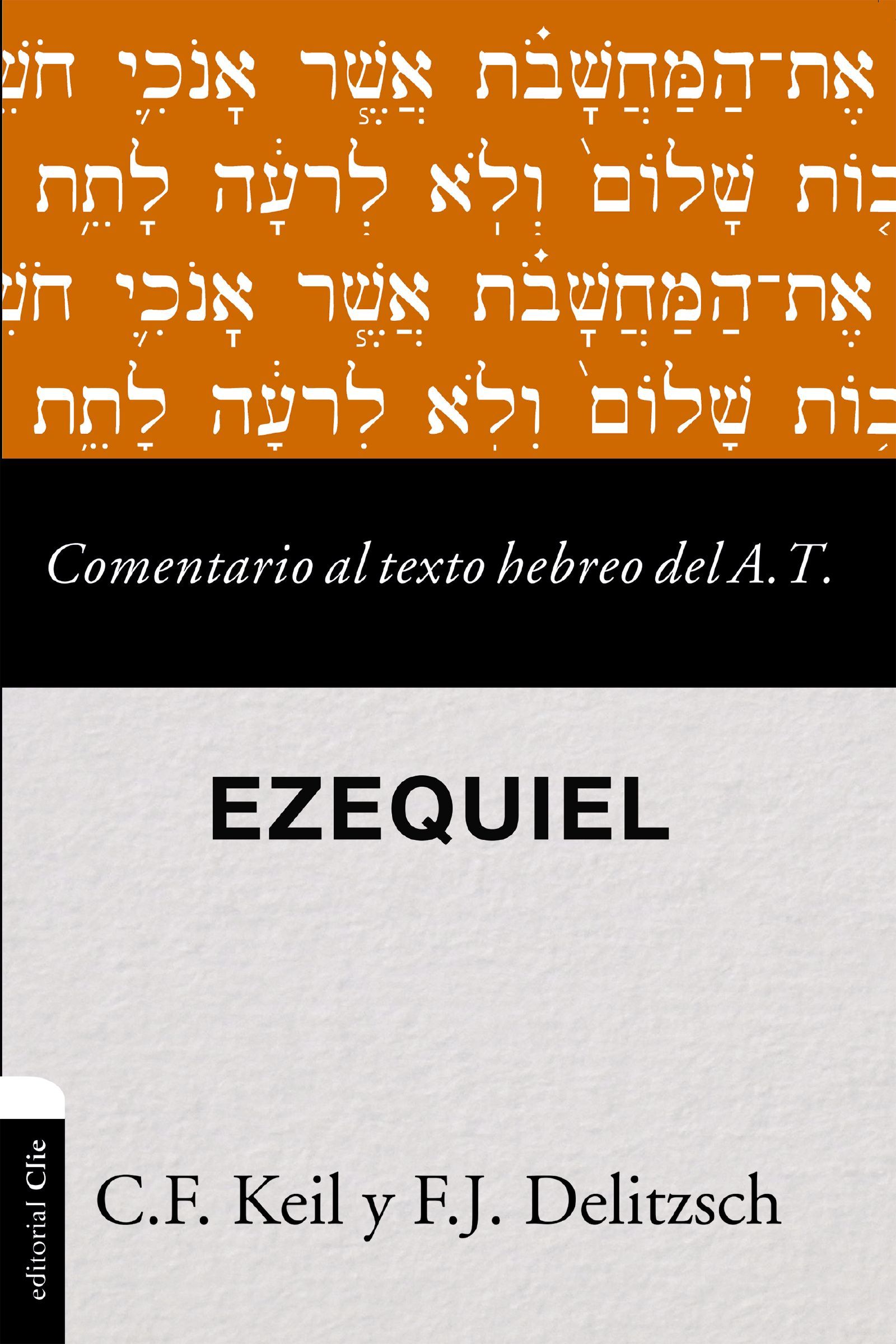
Acerca del libro

Ezequiel es, junto con Isaías, Jeremías y Daniel, uno de los cuatro profetas “mayores” de la tradición bíblica. Era sacerdote de Jerusalén y en el año 597 a.C. y antes de la destrucción del templo fue desterrado a Babilonia, donde recibió la llamada de Dios.

El libro aparece como un compendio y clave de la revelación israelita, donde resuenan y se vinculan los motivos de la creación primera y de la recreación final. Comprende desde del éxodo de Egipto y de la revelación de la Ley, con la instauración del templo y su destrucción por causa del pecado del pueblo, desembocando finalmente en la renovación del Pacto y la revelación final del Templo de la salvación, tras el juicio de Dios, como victoria de su santidad sobre los pecados de Israel y del mundo entero.

ISBN: 9788417131586
Imprint: CLIE
En venta: Nov 26, 2019
List price: $34.99
No of pages: 704
Trim Size: 6.000 in (w) x 9.000 in (h) x 1.550 in (d)
BISAC 1: RELIGION / Biblical Commentary / Old Testament / General
BISAC 2: RELIGION / Biblical Studies / General
BISAC 3: RELIGION / Biblical Criticism & Interpretation / Old Testament

Carl Friedrich Keil

Biography

CARL FRIEDRICH KEIL was a Lutheran writer born in Lauterbach, Saxony, (Germany). He studied theology at the universities of Dorpat and Berlin. In 1833, he accepted the chair of Oriental Languages and Exegesis of the Old and New Testaments in Dorpat. In 1859, he moved to Leipzig, where he devoted himself to study and the internal affairs of his Church. He belonged to the orthodox and conservative school of Lutheran theology, and contributing with Hengstenberg, giving shape to Lutheran pastoral thought in the Baltic provinces for a quarter of a century. He opposed the biblical criticism of the time, defending the infallibility of biblical literature as the inspired Word of God.

He collaborated with Franz Delitzsch in the well-known Biblischer Commentar über das Alte Testament (1861-1875), a commentary on the Hebrew text of the Old Testament. He wrote commentaries of Genesis to Esther, Jeremiah, Ezekiel, Daniel, and the minor Prophets. He also wrote commentaries on the books of Maccabees, Matthew, Mark, Luke, John, the letters of Peter, Jude, and Hebrews. His commentary on Genesis is considered one of the best existing in all languages. He defends the authorship of Moses but he also recognizes a revision done during the post-exile period. His commentary on the minor Prophets is also praised for the light he had shed on them.

Franz Julius Delitzsch

Biography

FRANZ JULIUS DELITZSCH, a biblical scholar, descendant of a family of Jewish and Lutheran-Pietist origin, was born in Leipzig (Germany). He taught in Rostock (1846-50) and Erlangen (1850-67), before returning to Leipzig for the rest of his life (1867-90).

He wrote many works on rabbinical studies, opposed to anti-Semitism, although without stopping seeking the Christian conversion of the Jews. He founded a Jewish Institute in Leipzig, which bears his name.

He carefully examined Wellhausen’s critical theories and cautiously supported the different literary origins of the Pentateuch and Isaiah’s double literary fatherhood. Of great influence in the English-speaking world, he is mainly remembered as an exegete. He is considered one of the main exegetes of the Old Testament in the 19th century and a great connoisseur of rabbinic literature. He had the ability to unite theological interpretation with philological rigor. His main literary contributions to biblical exegesis are numerous comments to the books of the Bible, although he wrote other important works on Jewish antiquities and on biblical psychology, history of Jewish poetry, and Christian apologetics. One of his most appreciated works in biblical exegesis is his commentary on Psalms, Die Psalmen, 1894.

Delitzsch collaborated with Carld Fredrich Keil in the writing of the Biblischer Comment über das Alte Testament, a commentary on the Hebrew text of the Old Testament in the part of the commentaries corresponding to Job, Psalms, Proverbs, Ecclesiastes, Song of Songs, and Isaiah.

Ezequiel es, junto con Isaías, Jeremías y Daniel, uno de los cuatro profetas “mayores” de la tradición bíblica. Era sacerdote de Jerusalén y en el año 597 a.C. y antes de la destrucción del templo fue desterrado a Babilonia, donde recibió la llamada de Dios.

El libro aparece como un compendio y clave de la revelación israelita, donde resuenan y se vinculan los motivos de la creación primera y de la recreación final. Comprende desde del éxodo de Egipto y de la revelación de la Ley, con la instauración del templo y su destrucción por causa del pecado del pueblo, desembocando finalmente en la renovación del Pacto y la revelación final del Templo de la salvación, tras el juicio de Dios, como victoria de su santidad sobre los pecados de Israel y del mundo entero.

ISBN: 9788417131586
Imprint: CLIE
En venta: Nov 26, 2019
List price: $34.99
No of pages: 704
Trim Size: 6.000 in (w) x 9.000 in (h) x 1.550 in (d)
BISAC 1: RELIGION / Biblical Commentary / Old Testament / General
BISAC 2: RELIGION / Biblical Studies / General
BISAC 3: RELIGION / Biblical Criticism & Interpretation / Old Testament

Carl Friedrich Keil

Biography

CARL FRIEDRICH KEIL was a Lutheran writer born in Lauterbach, Saxony, (Germany). He studied theology at the universities of Dorpat and Berlin. In 1833, he accepted the chair of Oriental Languages and Exegesis of the Old and New Testaments in Dorpat. In 1859, he moved to Leipzig, where he devoted himself to study and the internal affairs of his Church. He belonged to the orthodox and conservative school of Lutheran theology, and contributing with Hengstenberg, giving shape to Lutheran pastoral thought in the Baltic provinces for a quarter of a century. He opposed the biblical criticism of the time, defending the infallibility of biblical literature as the inspired Word of God.

He collaborated with Franz Delitzsch in the well-known Biblischer Commentar über das Alte Testament (1861-1875), a commentary on the Hebrew text of the Old Testament. He wrote commentaries of Genesis to Esther, Jeremiah, Ezekiel, Daniel, and the minor Prophets. He also wrote commentaries on the books of Maccabees, Matthew, Mark, Luke, John, the letters of Peter, Jude, and Hebrews. His commentary on Genesis is considered one of the best existing in all languages. He defends the authorship of Moses but he also recognizes a revision done during the post-exile period. His commentary on the minor Prophets is also praised for the light he had shed on them.

Franz Julius Delitzsch

Biography

FRANZ JULIUS DELITZSCH, a biblical scholar, descendant of a family of Jewish and Lutheran-Pietist origin, was born in Leipzig (Germany). He taught in Rostock (1846-50) and Erlangen (1850-67), before returning to Leipzig for the rest of his life (1867-90).

He wrote many works on rabbinical studies, opposed to anti-Semitism, although without stopping seeking the Christian conversion of the Jews. He founded a Jewish Institute in Leipzig, which bears his name.

He carefully examined Wellhausen’s critical theories and cautiously supported the different literary origins of the Pentateuch and Isaiah’s double literary fatherhood. Of great influence in the English-speaking world, he is mainly remembered as an exegete. He is considered one of the main exegetes of the Old Testament in the 19th century and a great connoisseur of rabbinic literature. He had the ability to unite theological interpretation with philological rigor. His main literary contributions to biblical exegesis are numerous comments to the books of the Bible, although he wrote other important works on Jewish antiquities and on biblical psychology, history of Jewish poetry, and Christian apologetics. One of his most appreciated works in biblical exegesis is his commentary on Psalms, Die Psalmen, 1894.

Delitzsch collaborated with Carld Fredrich Keil in the writing of the Biblischer Comment über das Alte Testament, a commentary on the Hebrew text of the Old Testament in the part of the commentaries corresponding to Job, Psalms, Proverbs, Ecclesiastes, Song of Songs, and Isaiah.