
 Suscríbete para recibir novedades y noticias
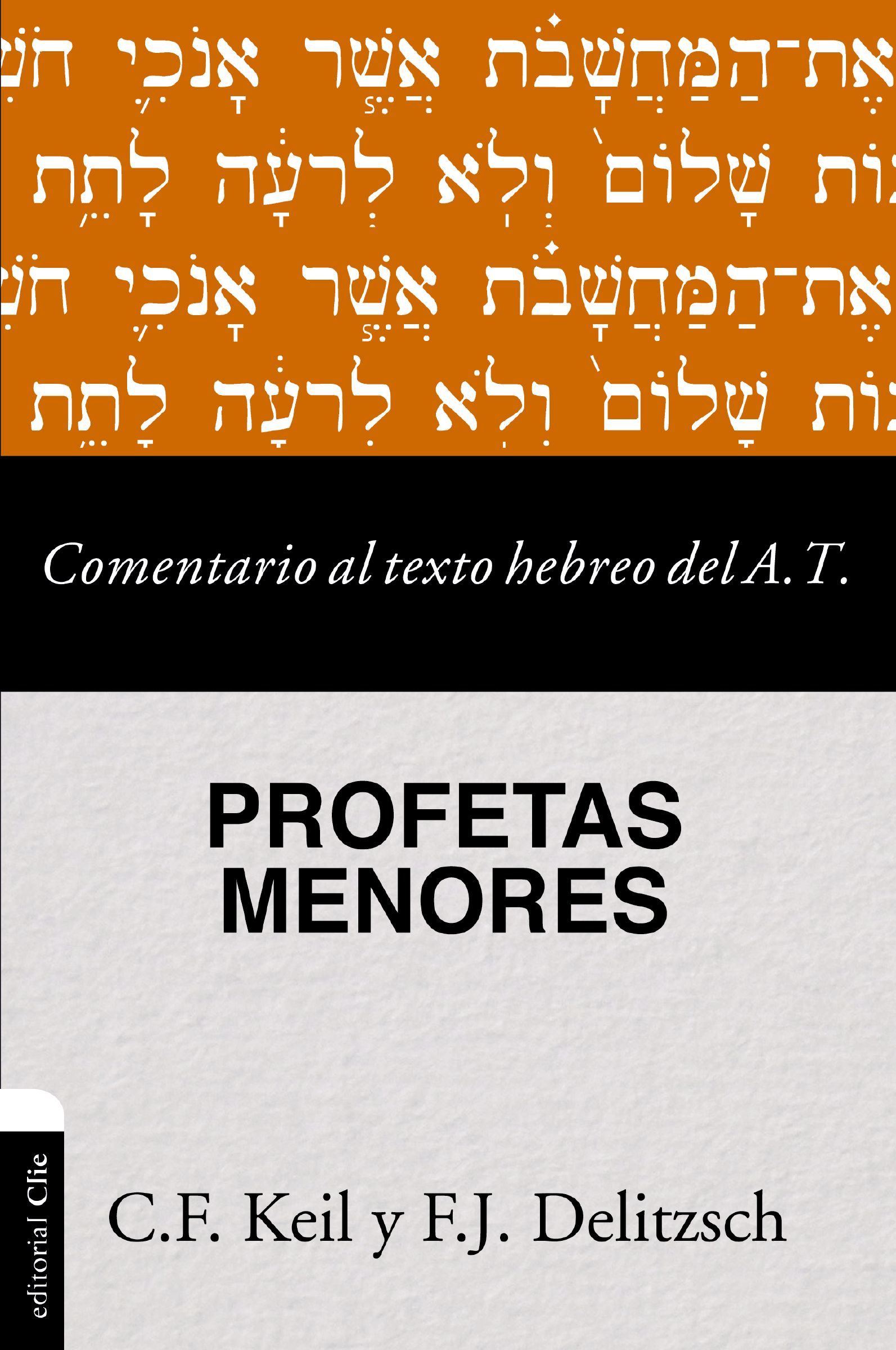
Commentary on the Hebrew Text of the Old Testament – Minor Prophets
Carl Friedrich Keil, Franz Julius Delitzsch
Available: August 03, 2021
Price (USA): $39.99
- Argentina (opens in a new window)
- Bolivia (opens in a new window)
- Canada (opens in a new window)
- Chile (opens in a new window)
- Colombia (opens in a new window)
- Costa Rica (opens in a new window)
- Ecuador (opens in a new window)
- EL Salvador (opens in a new window)
- Espana (opens in a new window)
- Guatemala (opens in a new window)
- México (opens in a new window)
- Nicaragua (opens in a new window)
- Panamá (opens in a new window)
- Paraguay (opens in a new window)
- Perú (opens in a new window)
- Puerto Rico (opens in a new window)
- República Dominicana (opens in a new window)
- Uruguay (opens in a new window)
- USA (opens in a new window)
- Venezuela (opens in a new window)
Acerca del libro
El preeminente comentario de la Biblia en español ahora incluye a los profetas menores. ¡Examinen el hebreo original como nunca antes!
Considerado el comentario por excelencia entre todos los comentarios del Antiguo Testamento, citado constantemente por todos los demás comentaristas, lingüistas y estudiosos de la Biblia, el «Biblischer Commentar über das Alte Testament», es un trabajo magistral de investigación filológica realizado por Johann Friedrich Carl Keil y Franz Julius Delitzsch, reconocido universalmente como la obra más completa, seria y erudita que se ha escrito sobre el Antiguo Testamento. Y ahora su trabajo sobre los profetas menores está finalmente disponible.
Constituye la mejor forma de aproximación a la complejidad del sentido original de las palabras utilizadas en el texto hebreo. Su virtud prncipal consiste en llevar a cabo un profundo análisis filológico de cada palabra importante en cada texto importante del Antiguo Testamento, dentro de su contexto, y de una manera asequible para quienes no dominan o incluso no tienen conocimiento alguno del hebreo.
Para ello, Keil y Delitzsch basan su exégesis en una traducción directa del hebreo de cada pasaje a comentar, buscando luego su apoyo textual en las traducciones antiguas, como la Septuaginta y la Vulgata. Luego, analizan ese texto a la luz del uso y sentido dado a esa palabra hebrea en otros pasajes de la Biblia. Después, incluyen en sus investigación los descubrimientos al respecto en áreas documentales científicas cercanas a la exégesis del Antiguo Testamento, como la historia y la arqueología. Y completan su comentario presentando la interpretación que de ese texto o palabra hicieron los Padres de la Iglesia y los Reformadores.
Commentary on the Hebrew Text of the Old Testament – Minor Prophets
The preeminent Bible commentary in Spanish now includes the minor prophets. Examine the original Hebrew like never before!
Considered the commentary par excellence among all the comments of the OT, constantly cited by all other commentators, linguists and scholars of the Bible, the “Biblischer Commentar über das Alte Testament”, master work of philological research conducted by Johann Friedrich Carl Keil and Franz Julius Delitzsch, is universally recognized as the most complete, serious and scholarly work ever written about the Old Testament. And now their work on the minor prophets is finally available.
And the best approach to the complexity of the original meaning of the words used in the Hebrew text. Its main virtue is to carry out a thorough philological analysis of each important word in each important text of the Old Testament, within its context, and in an affordable way for those who do not dominate or even have no knowledge of Hebrew.
To do this, Keil and Delitzsch base their exegesis on a direct translation of the Hebrew of each passage to comment, then seeking their textual support in ancient translations, such as the Septuagint and the Vulgate. Then, they analyze that text considering the use and meaning given to that Hebrew word in other passages of the Bible. Later, they include in their research the discoveries in this regard in scientific documentary areas close to the exegesis of the Old Testament, such as history and archeology. And they complete their commentary by presenting the interpretation that the Church Fathers and the Reformers made of that text or word.
El preeminente comentario de la Biblia en español ahora incluye a los profetas menores. ¡Examinen el hebreo original como nunca antes!
Considerado el comentario por excelencia entre todos los comentarios del Antiguo Testamento, citado constantemente por todos los demás comentaristas, lingüistas y estudiosos de la Biblia, el «Biblischer Commentar über das Alte Testament», es un trabajo magistral de investigación filológica realizado por Johann Friedrich Carl Keil y Franz Julius Delitzsch, reconocido universalmente como la obra más completa, seria y erudita que se ha escrito sobre el Antiguo Testamento. Y ahora su trabajo sobre los profetas menores está finalmente disponible.
Constituye la mejor forma de aproximación a la complejidad del sentido original de las palabras utilizadas en el texto hebreo. Su virtud prncipal consiste en llevar a cabo un profundo análisis filológico de cada palabra importante en cada texto importante del Antiguo Testamento, dentro de su contexto, y de una manera asequible para quienes no dominan o incluso no tienen conocimiento alguno del hebreo.
Para ello, Keil y Delitzsch basan su exégesis en una traducción directa del hebreo de cada pasaje a comentar, buscando luego su apoyo textual en las traducciones antiguas, como la Septuaginta y la Vulgata. Luego, analizan ese texto a la luz del uso y sentido dado a esa palabra hebrea en otros pasajes de la Biblia. Después, incluyen en sus investigación los descubrimientos al respecto en áreas documentales científicas cercanas a la exégesis del Antiguo Testamento, como la historia y la arqueología. Y completan su comentario presentando la interpretación que de ese texto o palabra hicieron los Padres de la Iglesia y los Reformadores.
Commentary on the Hebrew Text of the Old Testament – Minor Prophets
The preeminent Bible commentary in Spanish now includes the minor prophets. Examine the original Hebrew like never before!
Considered the commentary par excellence among all the comments of the OT, constantly cited by all other commentators, linguists and scholars of the Bible, the “Biblischer Commentar über das Alte Testament”, master work of philological research conducted by Johann Friedrich Carl Keil and Franz Julius Delitzsch, is universally recognized as the most complete, serious and scholarly work ever written about the Old Testament. And now their work on the minor prophets is finally available.
And the best approach to the complexity of the original meaning of the words used in the Hebrew text. Its main virtue is to carry out a thorough philological analysis of each important word in each important text of the Old Testament, within its context, and in an affordable way for those who do not dominate or even have no knowledge of Hebrew.
To do this, Keil and Delitzsch base their exegesis on a direct translation of the Hebrew of each passage to comment, then seeking their textual support in ancient translations, such as the Septuagint and the Vulgate. Then, they analyze that text considering the use and meaning given to that Hebrew word in other passages of the Bible. Later, they include in their research the discoveries in this regard in scientific documentary areas close to the exegesis of the Old Testament, such as history and archeology. And they complete their commentary by presenting the interpretation that the Church Fathers and the Reformers made of that text or word.