
 Suscríbete para recibir novedades y noticias
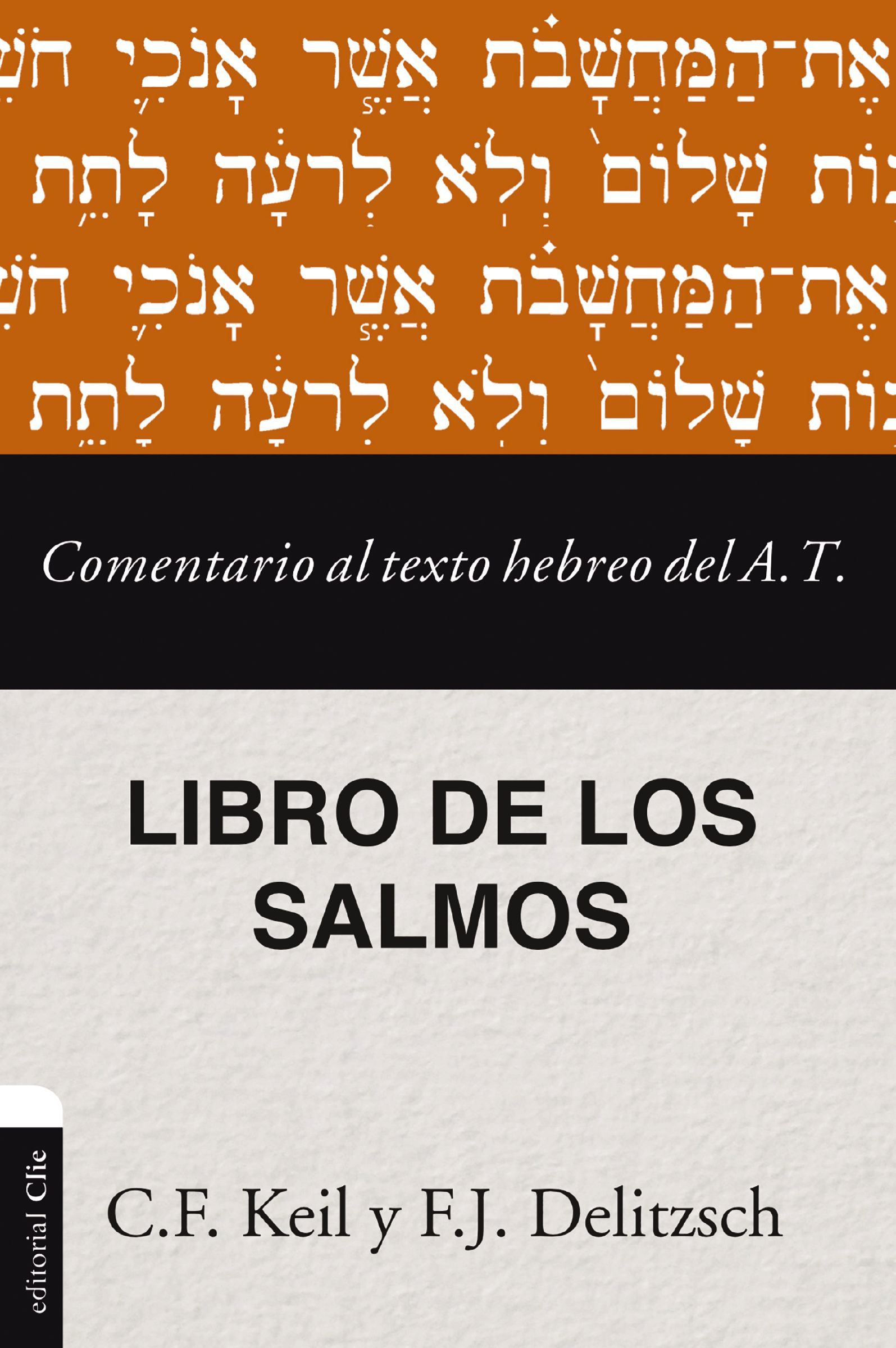
Commentary on the Hebrew Text of the Old Testament – Psalms
Franz Julius Delitzsch
Available: August 02, 2022
Price (USA): $32.99
- Argentina (opens in a new window)
- Bolivia (opens in a new window)
- Canada (opens in a new window)
- Chile (opens in a new window)
- Colombia (opens in a new window)
- Costa Rica (opens in a new window)
- Ecuador (opens in a new window)
- EL Salvador (opens in a new window)
- Espana (opens in a new window)
- Guatemala (opens in a new window)
- México (opens in a new window)
- Nicaragua (opens in a new window)
- Panamá (opens in a new window)
- Paraguay (opens in a new window)
- Perú (opens in a new window)
- Puerto Rico (opens in a new window)
- República Dominicana (opens in a new window)
- Uruguay (opens in a new window)
- USA (opens in a new window)
- Venezuela (opens in a new window)
Acerca del libro
Obra cumbre de la exégesis, teología y aplicación pastoral del Libro de los Salmos en los últimos dos siglos; forma parte de la colección de Comentarios exegéticos al texto hebreo del Antiguo Testamento, realizada por F. Delitzsch en colaboración con K. F. Keil, y va a ser presentada en lengua castellana.
Es imprescindible para conocer a fondo los salmos y, por eso, ha sido preparada por la Editorial Clie como un libro básico para el conocimiento, estudio y experiencia de los salmos entre los cristianos, hombres y mujeres, más comprometidos en lengua castellana.
Esta obra recoge el proceso de composición e interpretación judía del Libro de los Salmos, desde el tiempo de David (siglo X a. C.) hasta la fijación del texto masorético hebreo (siglo IX d. C.), tal como ha sido transmitido, vocalizado y precisado con acentos, música y vivencia espiritual a lo largo de los siglos. Al mismo tiempo muestra y desentraña la historia de la interpretación de los salmos, con las traducciones más significativas a las diversas lenguas de Europa, desde el griego de los LXX (siglo III a. C.), el arameo de los targumes y la peschita (siglo I-IV d. C.), pasando por el latín de San Jerónimo (Vulgata, siglo IV d. C.), hasta Lutero (siglo XVI d. C.), con los Padres de la Reforma Protestantes y el resto de las iglesias cristianas (católica, ortodoxa) de la modernidad.
Commentary on the Hebrew Text of the Old Testament – Psalms
This is the culminating work of exegesis, theology, and pastoral application of the Psalms in the last two centuries; it is part of the collection of Exegetical Commentaries to the Hebrew text of the Old Testament, written by F. Delitzsch in collaboration with K. F. Keil, and it is going to be presented in Spanish.
It is essential to know the Psalms in depth and, for this reason, it has been prepared by Editorial Clie as a basic book for the knowledge, study, and experience of the Psalms among Christians and the men and women most committed to Christianity and religion in the Spanish language.
This work gathers the process of Jewish composition and interpretation of the Psalms, from the time of David (10th century B.C.) to the fixation of the Hebrew Masoretic text (9th century A.D.), as it has been transmitted, vocalized, and refined with accents, music, and spiritual experience throughout the centuries. At the same time it shows and unravels the history of the interpretation of the Psalms, with the most significant translations into the various languages of Europe, from the Greek of the LXX (3rd century B.C.), the Aramaic of the Targums, and the Peschita (1st-4th century A.D.), through the Latin of the Bible (4th century A.D.), and the Latin of the Bible (4th century A.D.). C.), passing through the Latin of St. Jerome (Vulgate, 4th century A.D.), up to Luther (16th century A.D.), with the Fathers of the Protestant Reformation and the rest of the Christian churches (Catholic, Orthodox) of modernity.
Obra cumbre de la exégesis, teología y aplicación pastoral del Libro de los Salmos en los últimos dos siglos; forma parte de la colección de Comentarios exegéticos al texto hebreo del Antiguo Testamento, realizada por F. Delitzsch en colaboración con K. F. Keil, y va a ser presentada en lengua castellana.
Es imprescindible para conocer a fondo los salmos y, por eso, ha sido preparada por la Editorial Clie como un libro básico para el conocimiento, estudio y experiencia de los salmos entre los cristianos, hombres y mujeres, más comprometidos en lengua castellana.
Esta obra recoge el proceso de composición e interpretación judía del Libro de los Salmos, desde el tiempo de David (siglo X a. C.) hasta la fijación del texto masorético hebreo (siglo IX d. C.), tal como ha sido transmitido, vocalizado y precisado con acentos, música y vivencia espiritual a lo largo de los siglos. Al mismo tiempo muestra y desentraña la historia de la interpretación de los salmos, con las traducciones más significativas a las diversas lenguas de Europa, desde el griego de los LXX (siglo III a. C.), el arameo de los targumes y la peschita (siglo I-IV d. C.), pasando por el latín de San Jerónimo (Vulgata, siglo IV d. C.), hasta Lutero (siglo XVI d. C.), con los Padres de la Reforma Protestantes y el resto de las iglesias cristianas (católica, ortodoxa) de la modernidad.
Commentary on the Hebrew Text of the Old Testament – Psalms
This is the culminating work of exegesis, theology, and pastoral application of the Psalms in the last two centuries; it is part of the collection of Exegetical Commentaries to the Hebrew text of the Old Testament, written by F. Delitzsch in collaboration with K. F. Keil, and it is going to be presented in Spanish.
It is essential to know the Psalms in depth and, for this reason, it has been prepared by Editorial Clie as a basic book for the knowledge, study, and experience of the Psalms among Christians and the men and women most committed to Christianity and religion in the Spanish language.
This work gathers the process of Jewish composition and interpretation of the Psalms, from the time of David (10th century B.C.) to the fixation of the Hebrew Masoretic text (9th century A.D.), as it has been transmitted, vocalized, and refined with accents, music, and spiritual experience throughout the centuries. At the same time it shows and unravels the history of the interpretation of the Psalms, with the most significant translations into the various languages of Europe, from the Greek of the LXX (3rd century B.C.), the Aramaic of the Targums, and the Peschita (1st-4th century A.D.), through the Latin of the Bible (4th century A.D.), and the Latin of the Bible (4th century A.D.). C.), passing through the Latin of St. Jerome (Vulgate, 4th century A.D.), up to Luther (16th century A.D.), with the Fathers of the Protestant Reformation and the rest of the Christian churches (Catholic, Orthodox) of modernity.